Lake Phalen in St. Paul and Maplewood, Ramsey County (Ramsey-Washington Metro Watershed District)
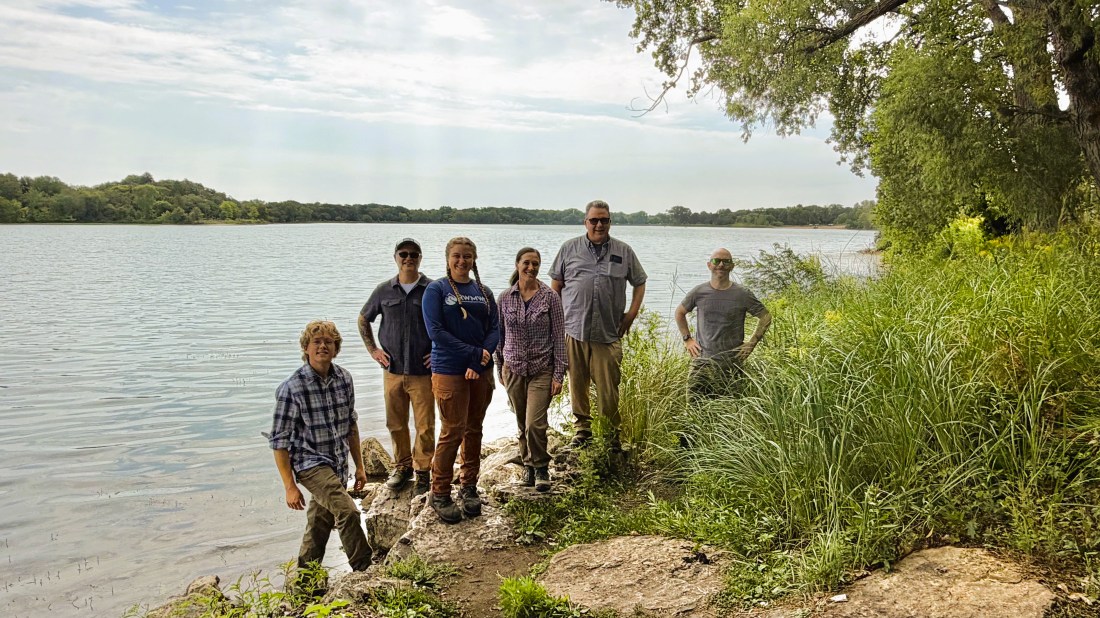
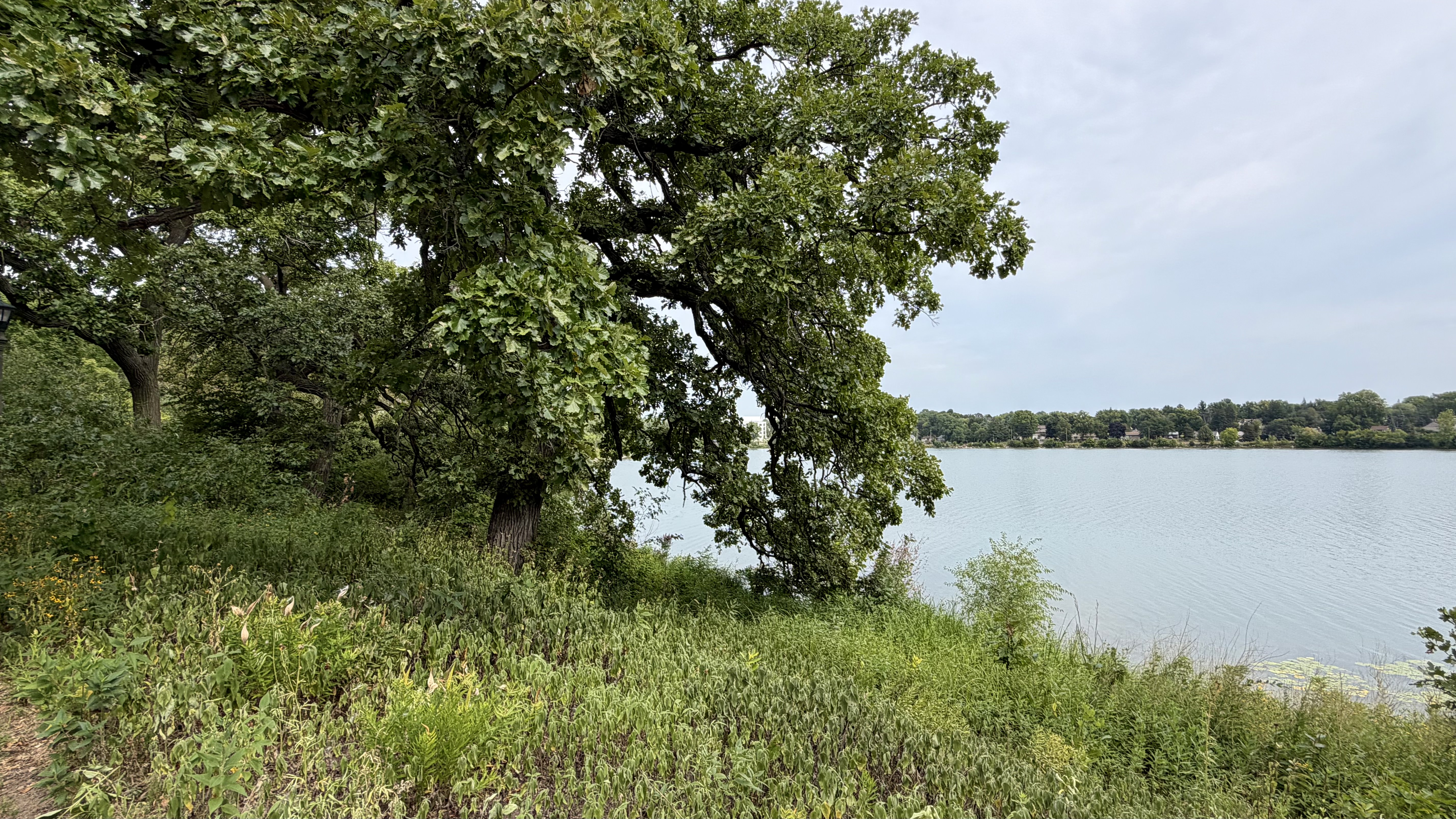
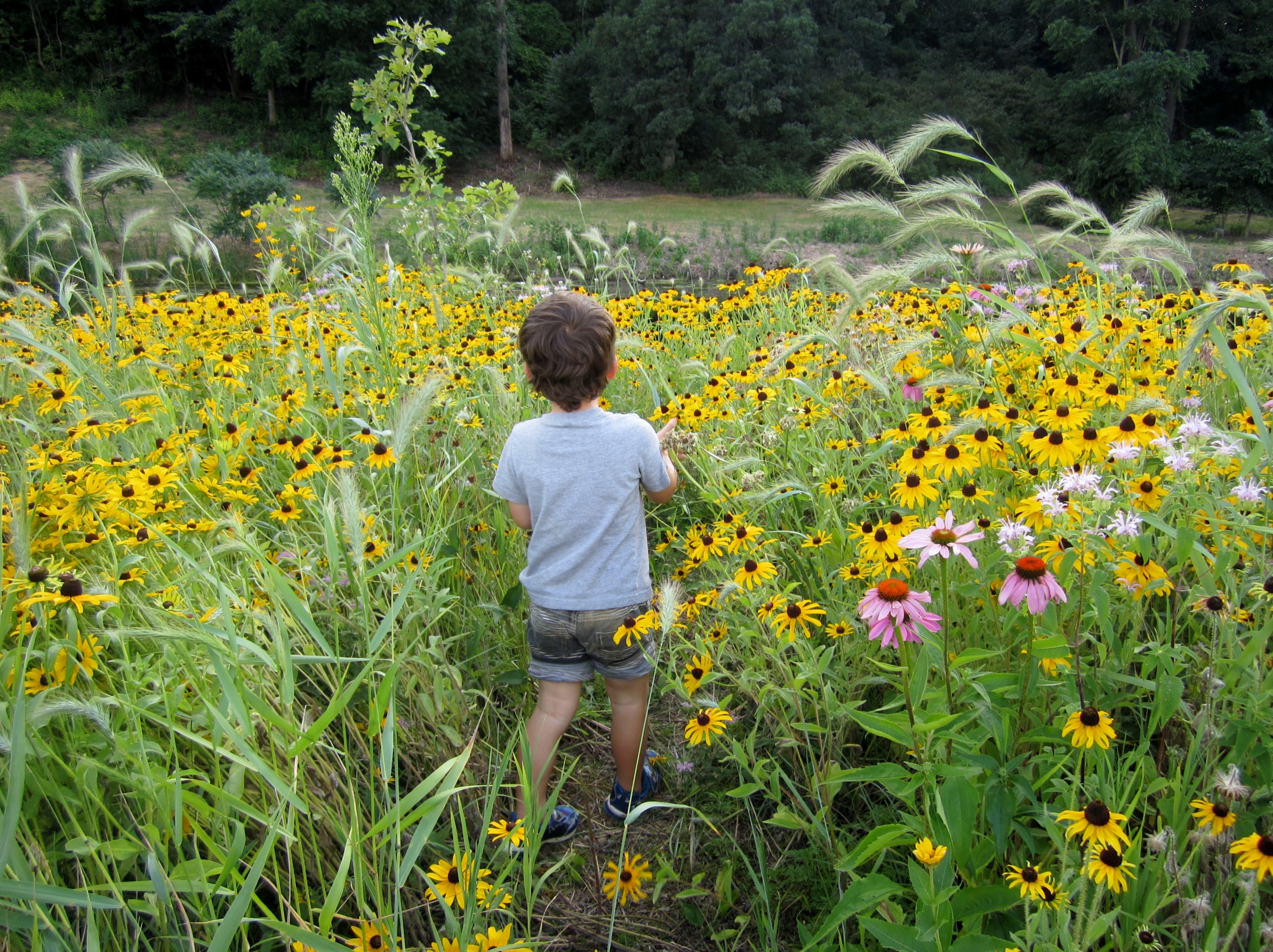
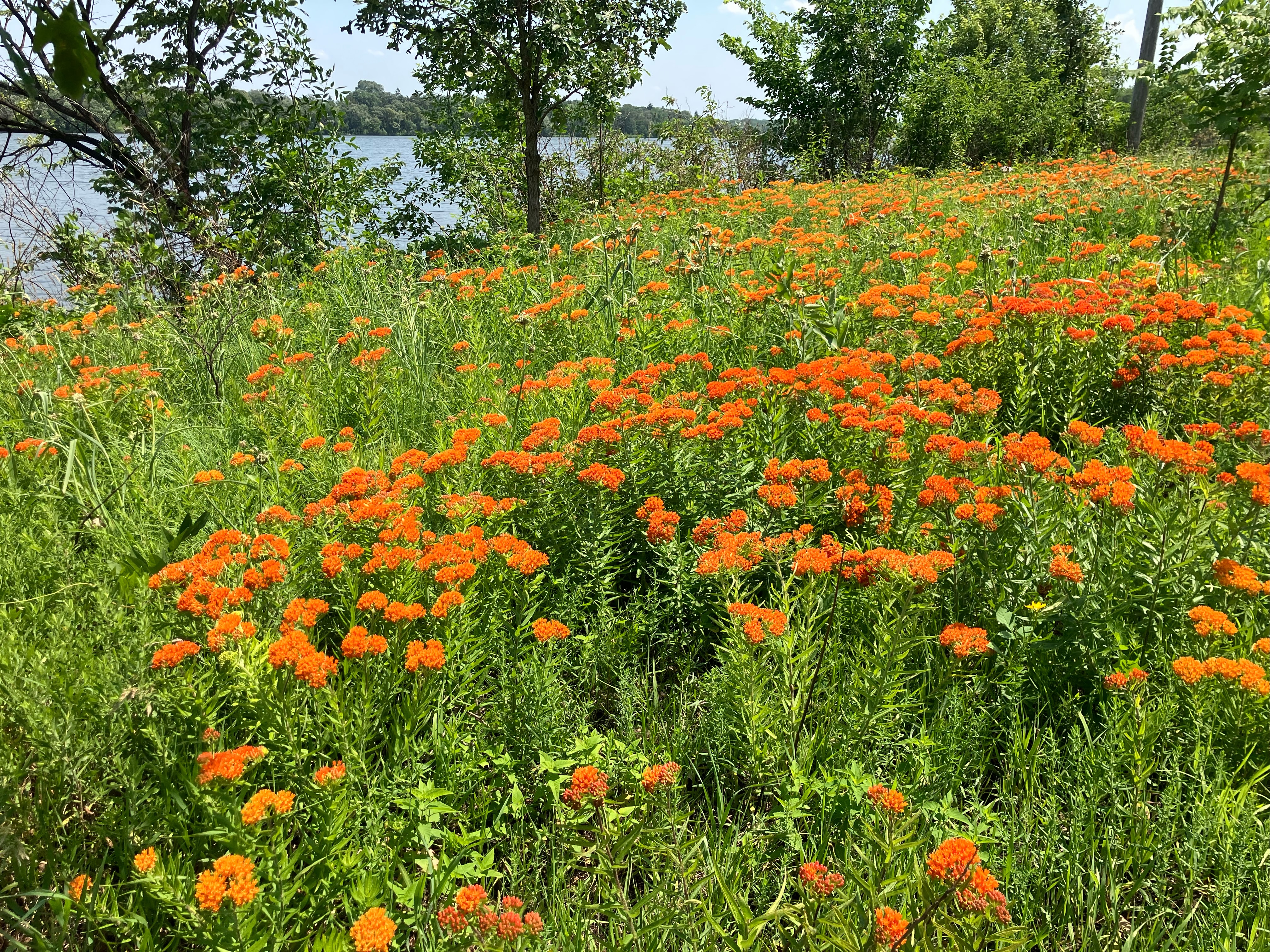
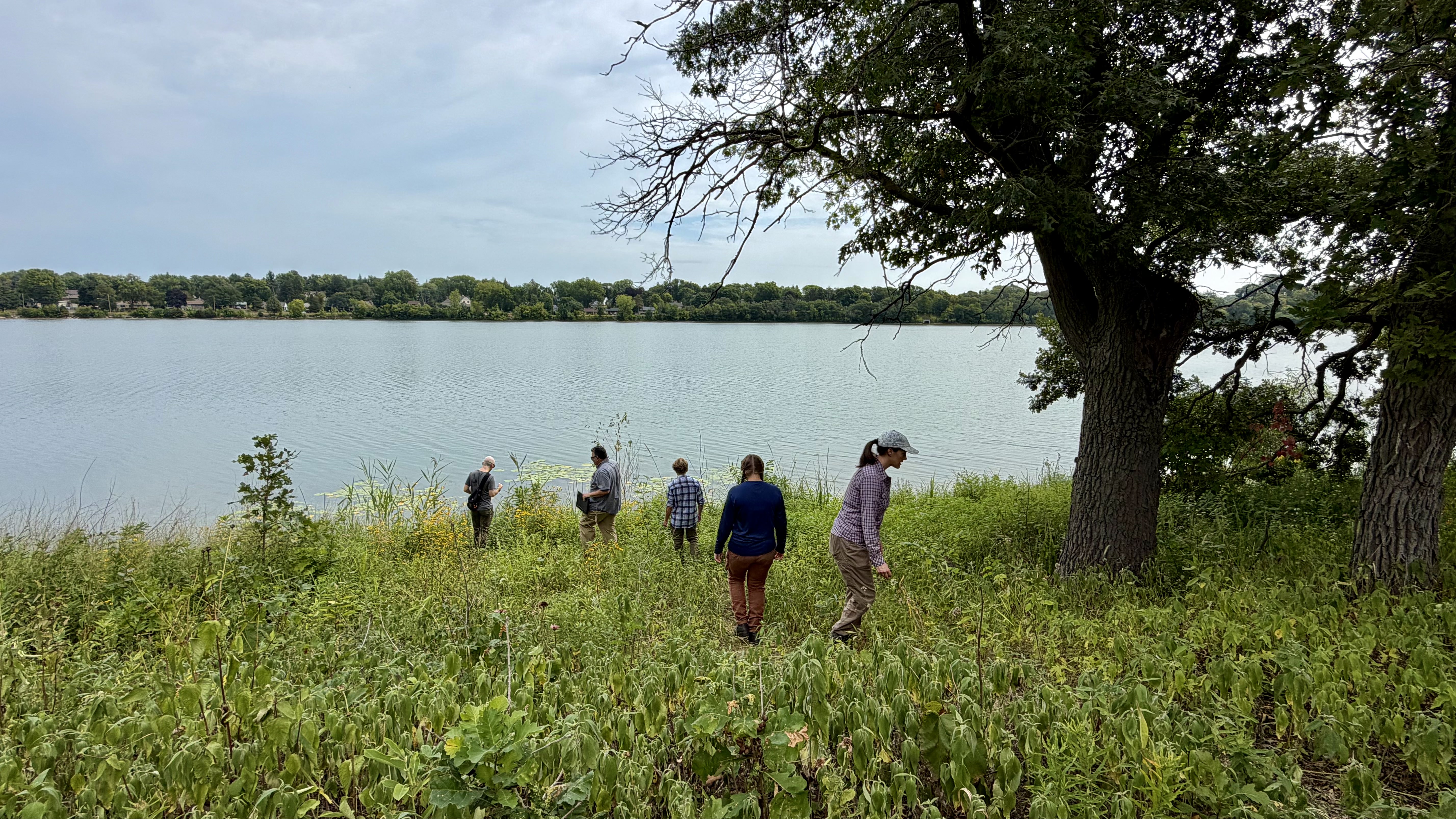
With nearly two miles of restored shoreline, statuesque oak woodlands, and multiple ways for the public to access and enjoy the lake, the Lake Phalen shoreline in St. Paul is a showcase example for any city in Minnesota to aspire to. It is also one of the largest and most successful shoreline restorations in the upper Midwest.
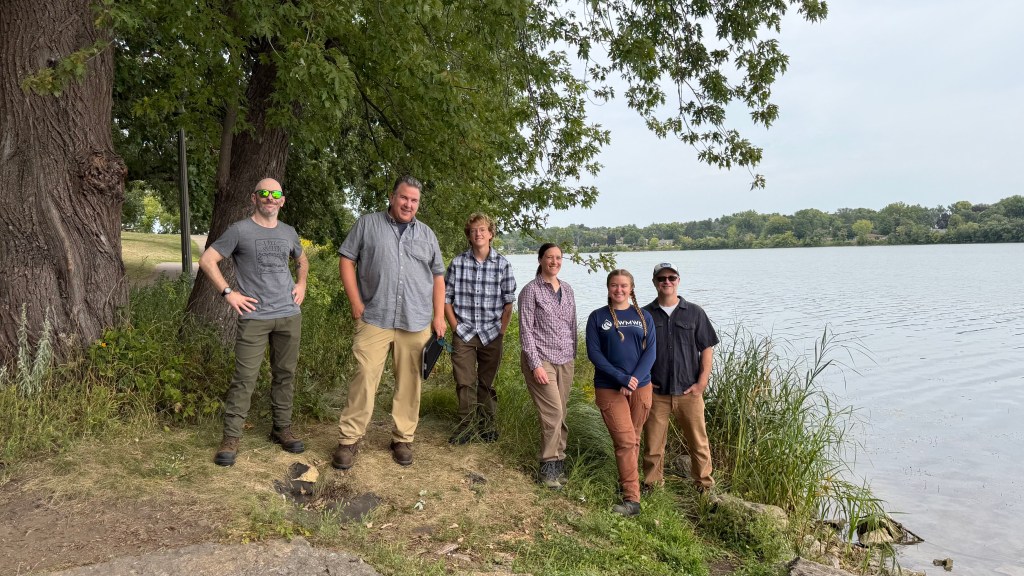
“When you think about the number of conservation professionals who got their start working on Lake Phalen, it truly is an outdoor classroom,” says Paul Erdmann, who serves as Natural Resources Program Manager at Ramsey-Washington Metro Watershed District (RWMWD). Shoreline restoration on Lake Phalen was also the impetus for additional habitat restoration along Keller Creek and in Keller Park and the Keller Golf Course. “We’re all about corridors and connectivity,” explains Erdmann. “That’s always very important to us.”
Though RWMWD and the City of St. Paul have been working to restore Phalen’s shoreline since 2001, the lake’s story goes back much further than that.
For as long as 2000 years, Dakota people traveled the Phalen Chain of Lakes by canoe, heading north to White Bear Lake to harvest wild rice in the fall, and south to the Mississippi River (Wakpa Tanka) via the four-mile long Phalen Creek. Later, when St. Paul was developed as a city, the creek was buried beneath railroads, streets, sidewalks, and buildings.
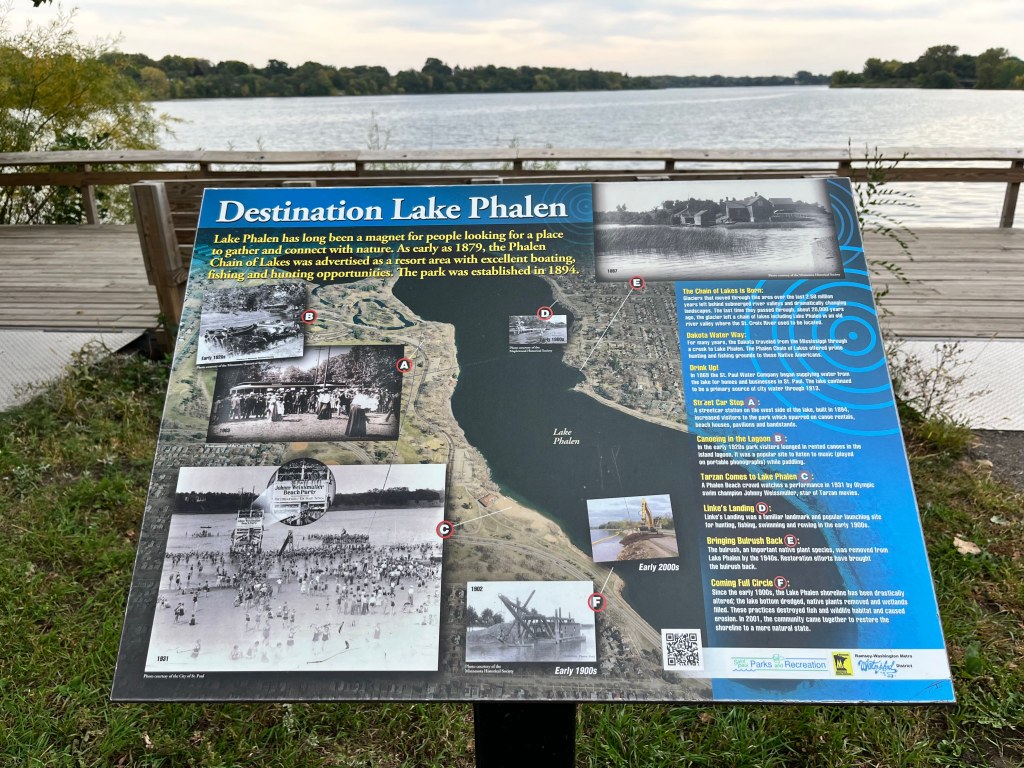
In 1894, the City of St. Paul established Phalen Regional Park and began working to implement a vision of a premiere water park with trails for walking and biking, as well as connections for people to paddle between Phalen, Keller, Gervais, and Kohlman Lakes. During these early years, the city dredged Phalen to create a deeper lake for recreation and planted turf to create golf courses and picnic areas. Unfortunately, these changes also caused shoreline erosion and runoff pollution, challenges that continue to affect the lake more than a century later.
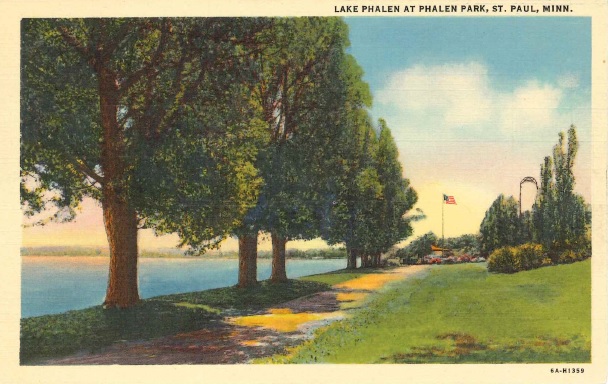
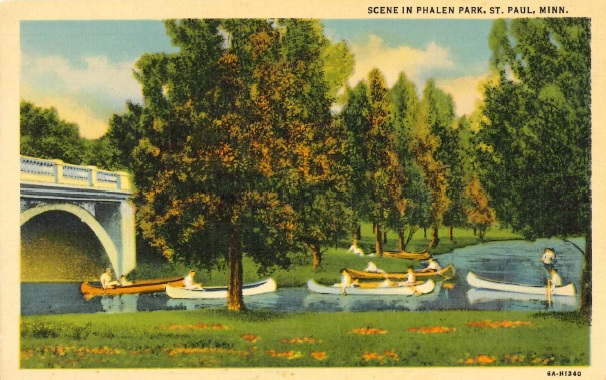
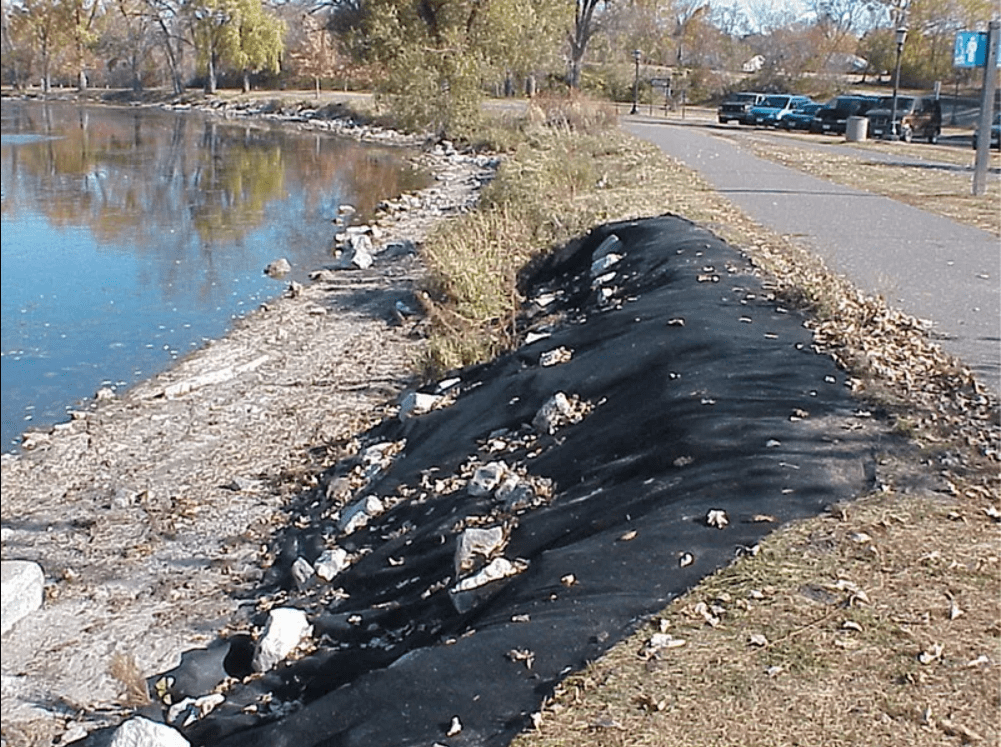
“By the 1980s, the erosion was so bad that it was both a water quality and public safety issue,” says Pat Williamson, a Natural Resources Specialist with RWMWD. “Trails were falling into the lake and eventually they riprapped almost the entire shoreline in an attempt to stop the erosion.”
Even with rocks surrounding the lake, the erosion continued.
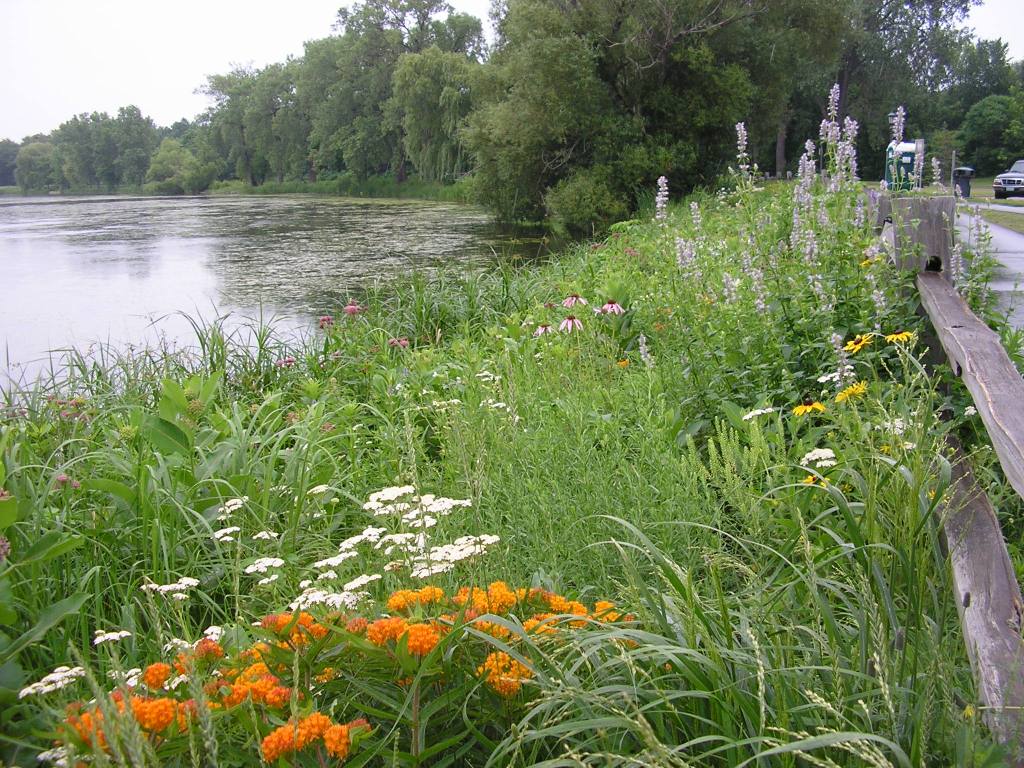
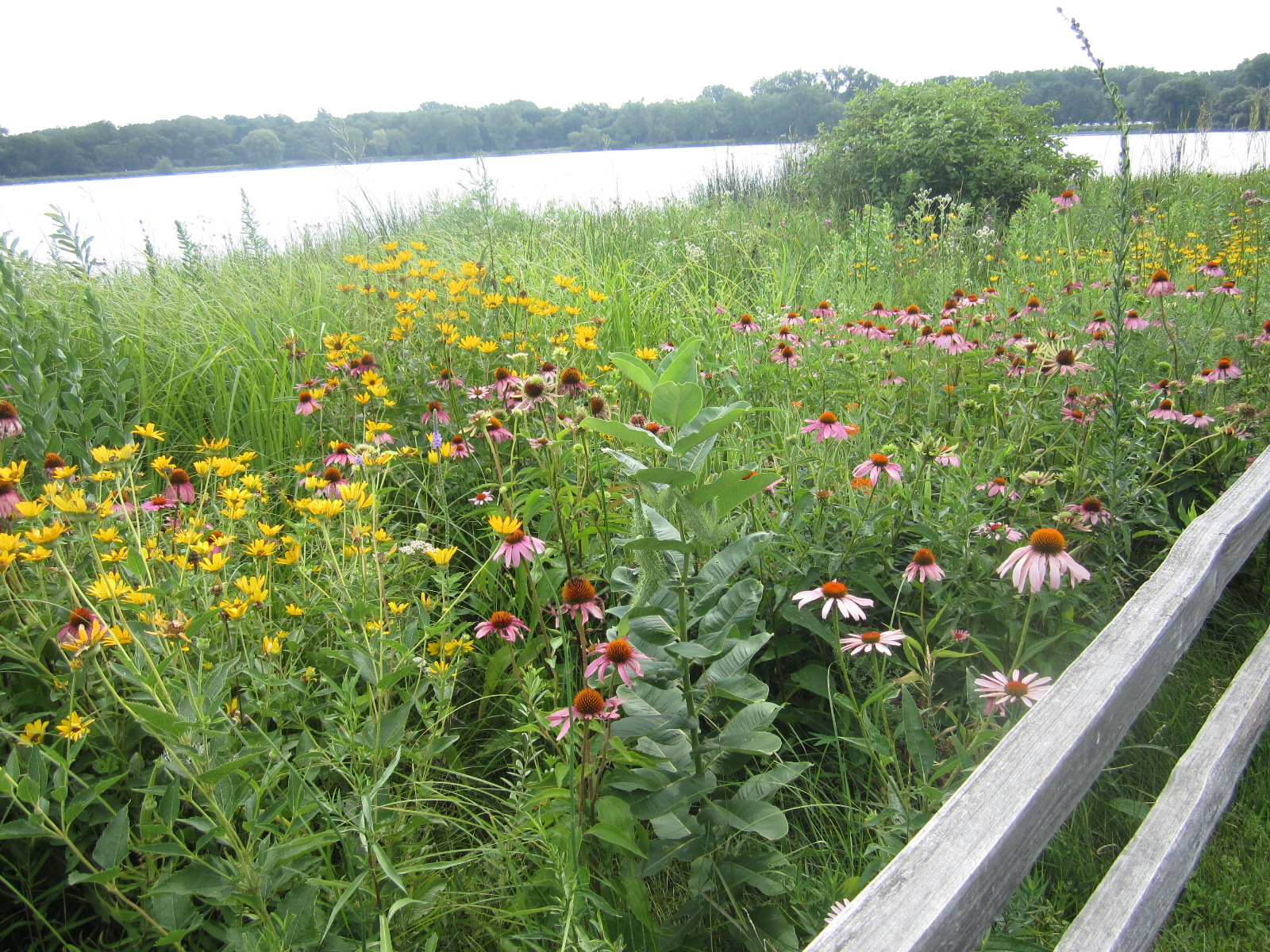
In an effort to improve water quality and wildlife habitat, and address public safety concerns, RWMWD began working with the City of St. Paul to restore the Lake Phalen shoreline in 2001. They began planting deep-rooted native grasses, sedges, flowers, and shrubs, one segment at a time, restoring 350-1850 feet per year over the next nine years.
“I think it’s important to give the soil credit as well,” adds Adam Robbins, Natural Resources Supervisor with the City of St. Paul. “When they pulled out the riprap, the 100-year old native seeds were still viable. In many ways, nature has taken care of itself.”
Even so, the Lake Phalen shoreline restoration has been a team effort from the beginning. “I want to give a shout out to all of the volunteers who have helped out at Lake Phalen over the years,” Williamson says. “There have been hundreds and hundreds of students, Master Gardeners, and community residents. Ramsey County Corrections supplied most of the plants, and Ramsey County Parks and Recreation has also worked with the city and watershed on restoration at Round Lake [on the other side of the trail].” A portion of the lake extends into City of Maplewood, which has been a willing partner as well.
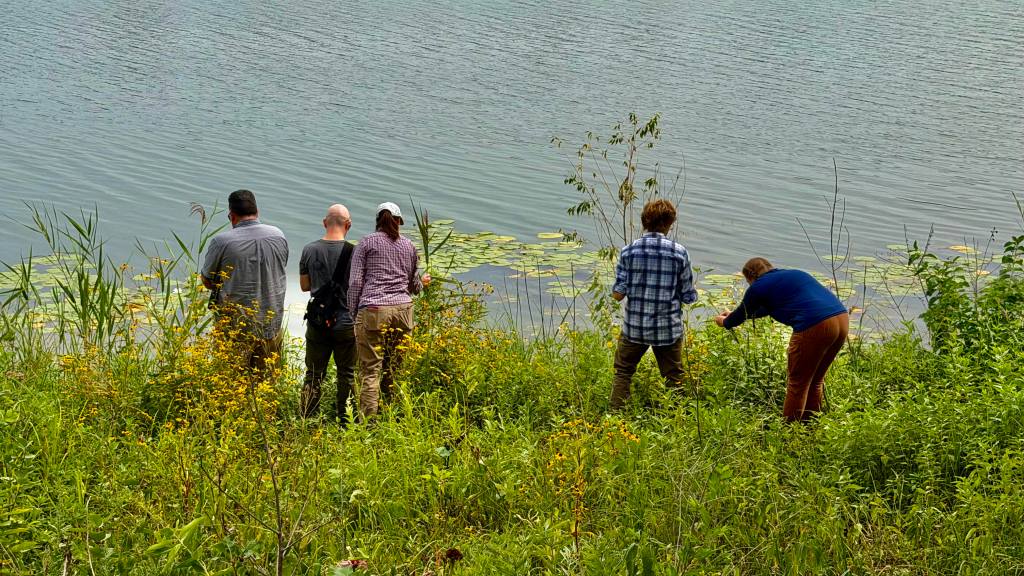
Currently, RWMWD spends an average of 125 hours each year managing the existing native habitat around Lake Phalen and controlling invasive species. Meanwhile, the City implements prescribed burns on a four-year rotation, which further helps to control invasive species, cycle nutrients, and reinvigorate native plant species. Both organizations also get support from Conservation Corps Minnesota & Iowa for annual maintenance.
“You get a lot of positive responses from park users when we do burns,” Robbins notes. “People have questions and want to watch. There is a lot of understanding and support.”
Williamson agrees. “Every comment I’ve ever gotten when I’ve been out here working at Phalen has been positive. And it’s is such a multi-use area. People are bird watching, boating, swimming, walking, biking – it’s really a special place.”
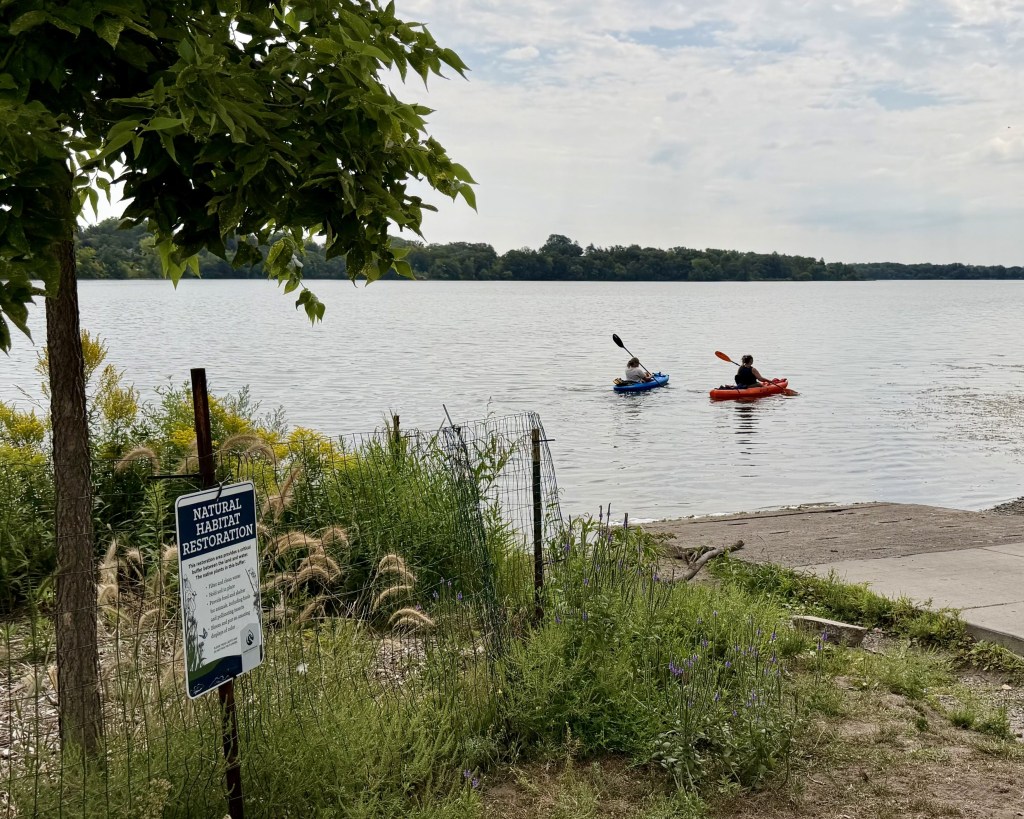
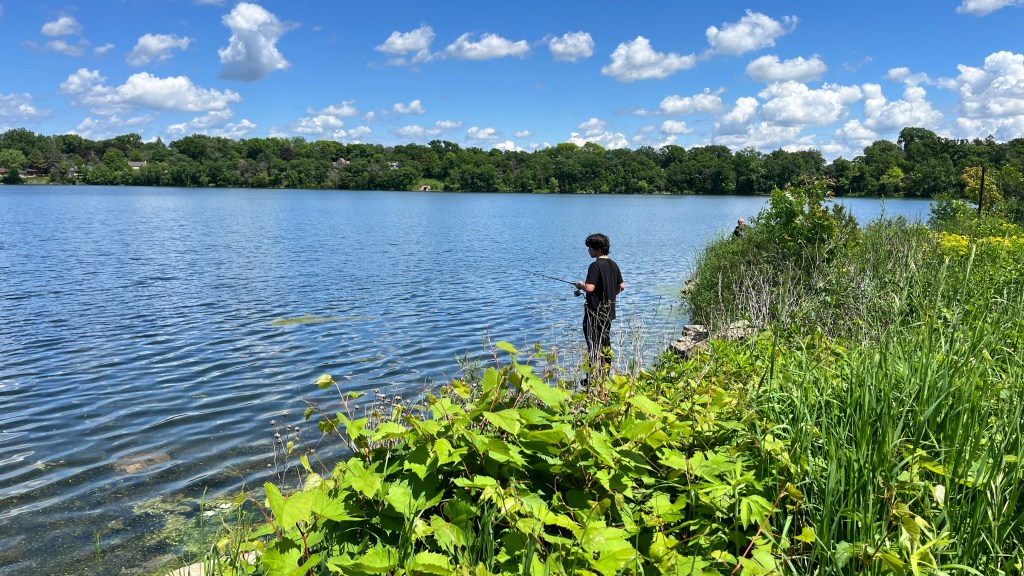
The paved trail around Lake Phalen is exactly 3.2 miles (5k), an appealing distance for running and walking. There are several notable viewpoints on the west side of the lake and a lot of variety in terms of habitat and vegetation.
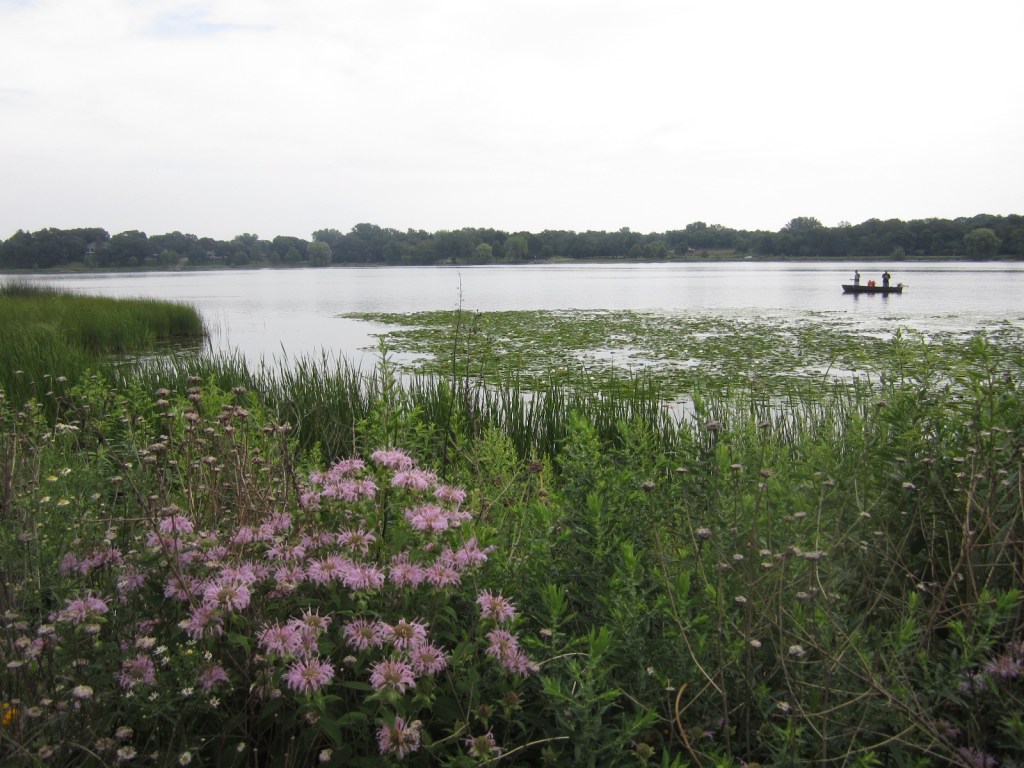
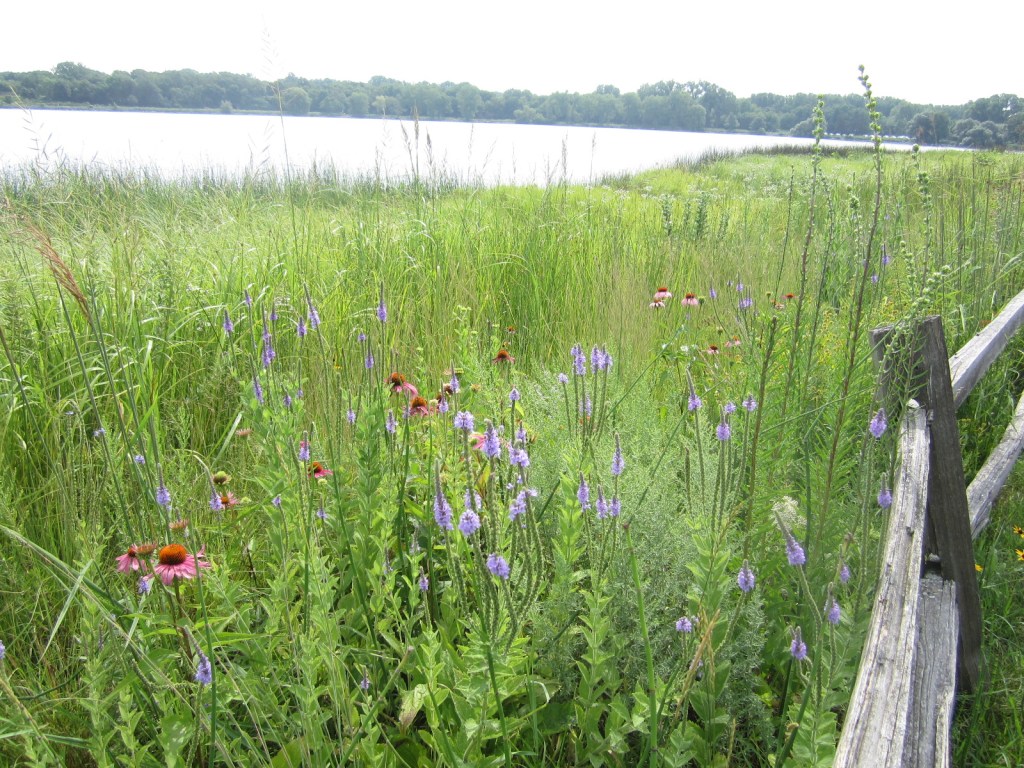
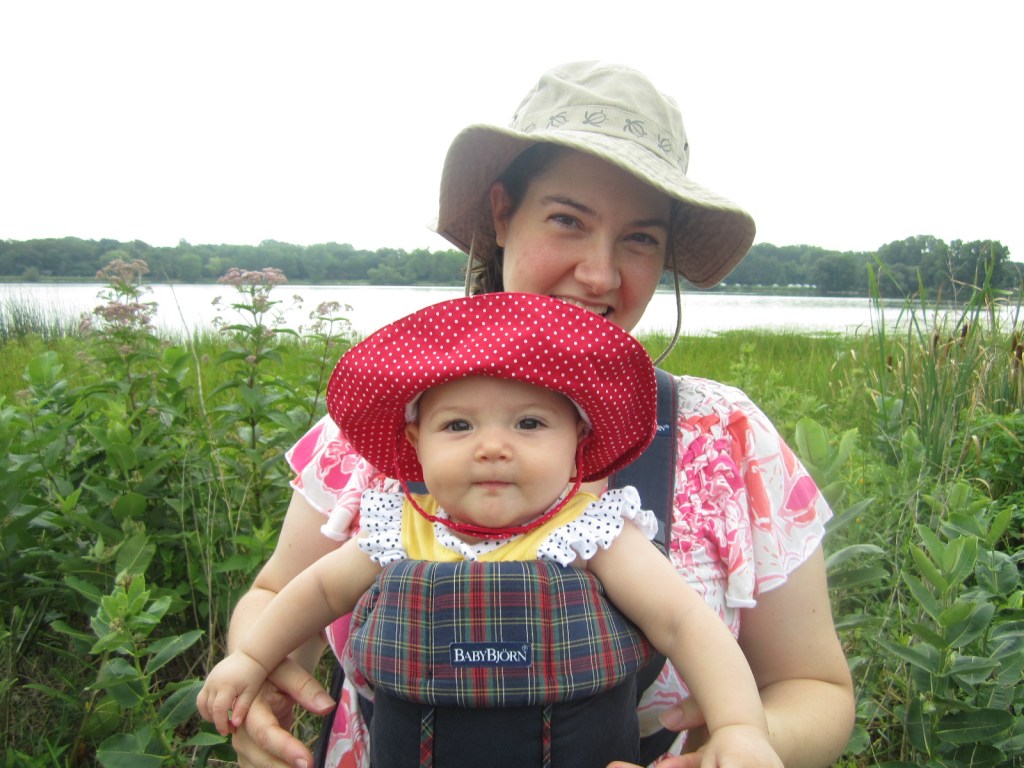
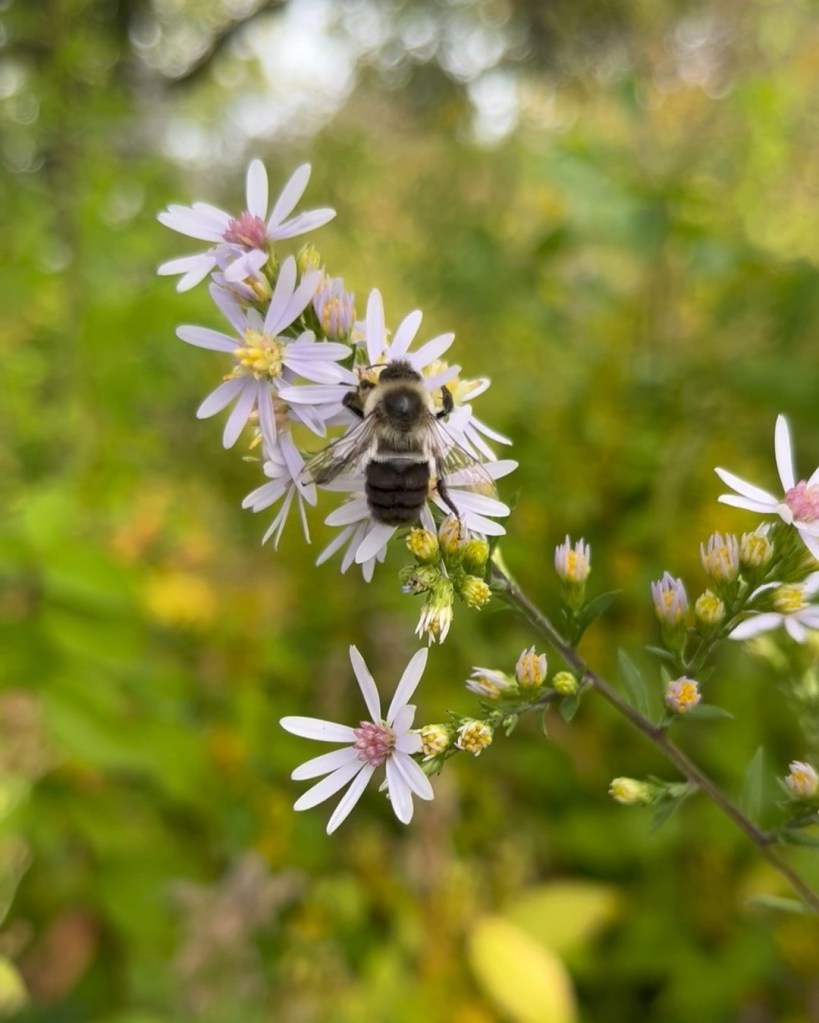
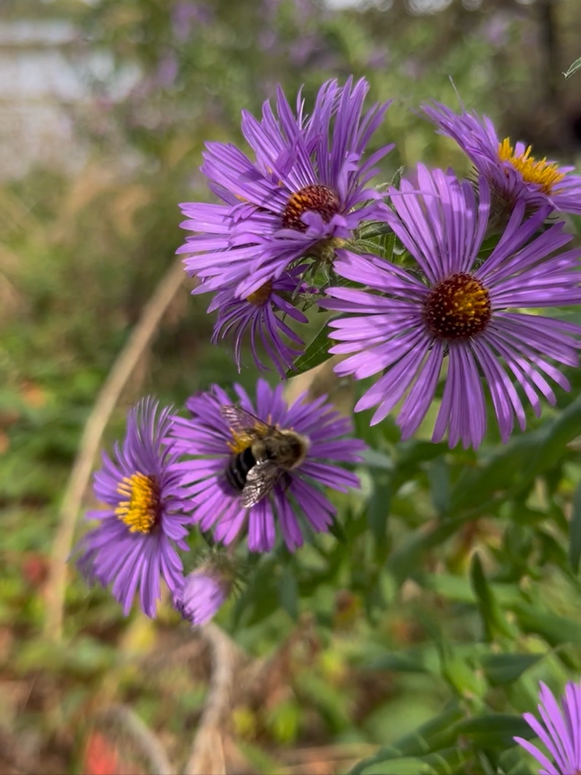
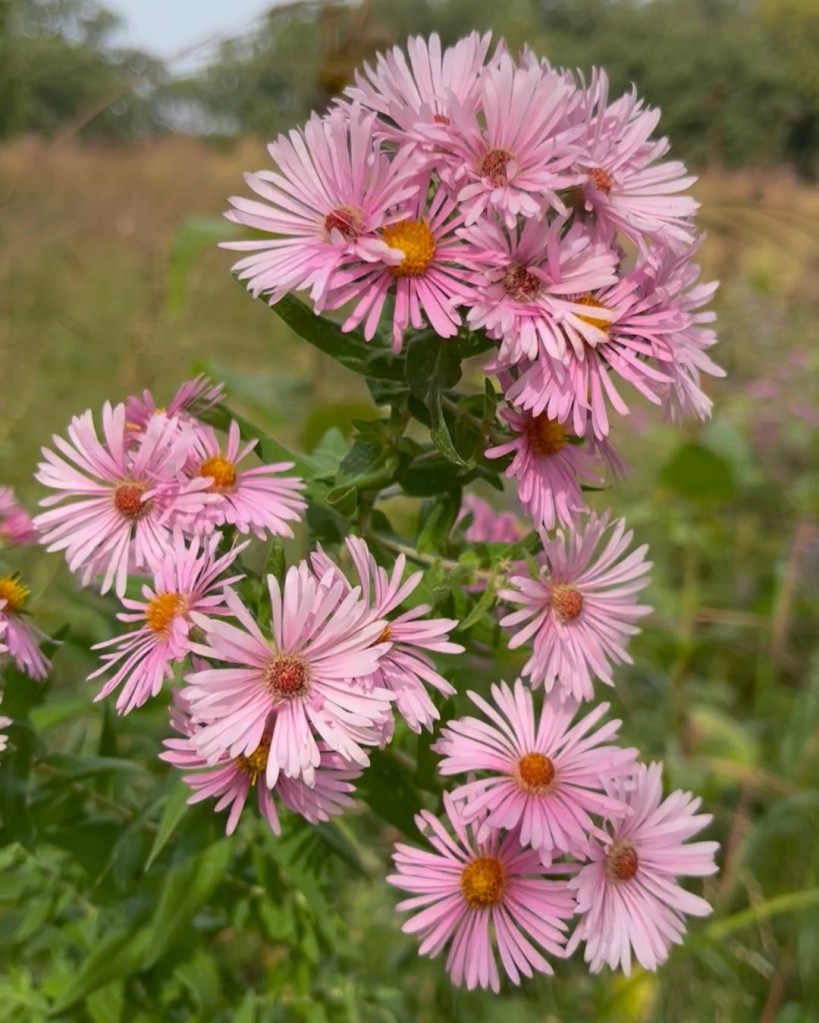
On the southwest side, near the swimming beach, there are sections that are open and meadow-like with bee balm, milkweed, purple coneflower, anise hyssop, and numerous other blooms. Further north, near the boat house and picnic shelters, the trail heads uphill through towering oaks with gnarled limbs. In the fall, purple, pink, yellow, and white asters bloom beneath the oak trees, offering late season nectar to butterflies and bees.
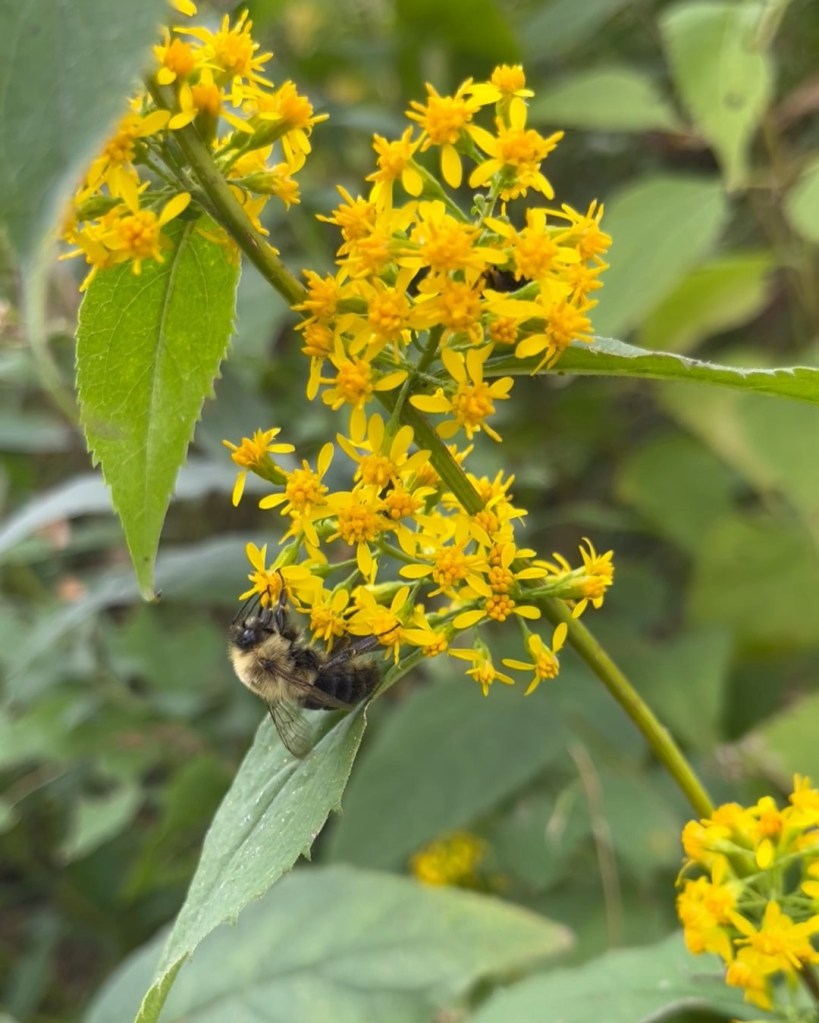
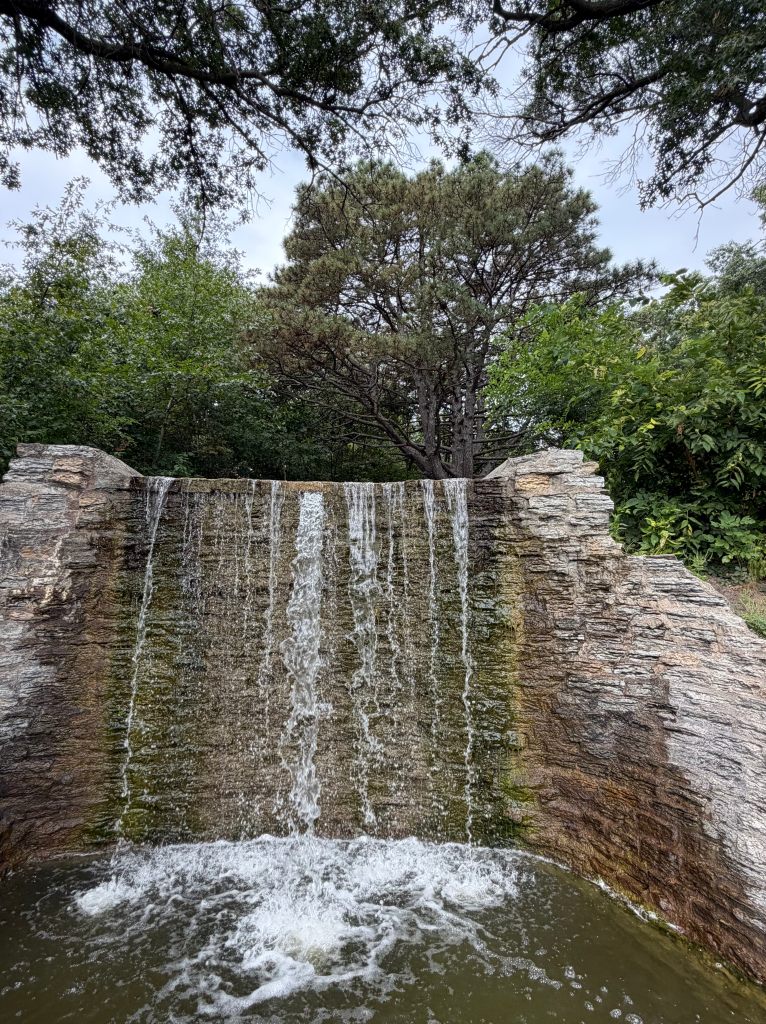
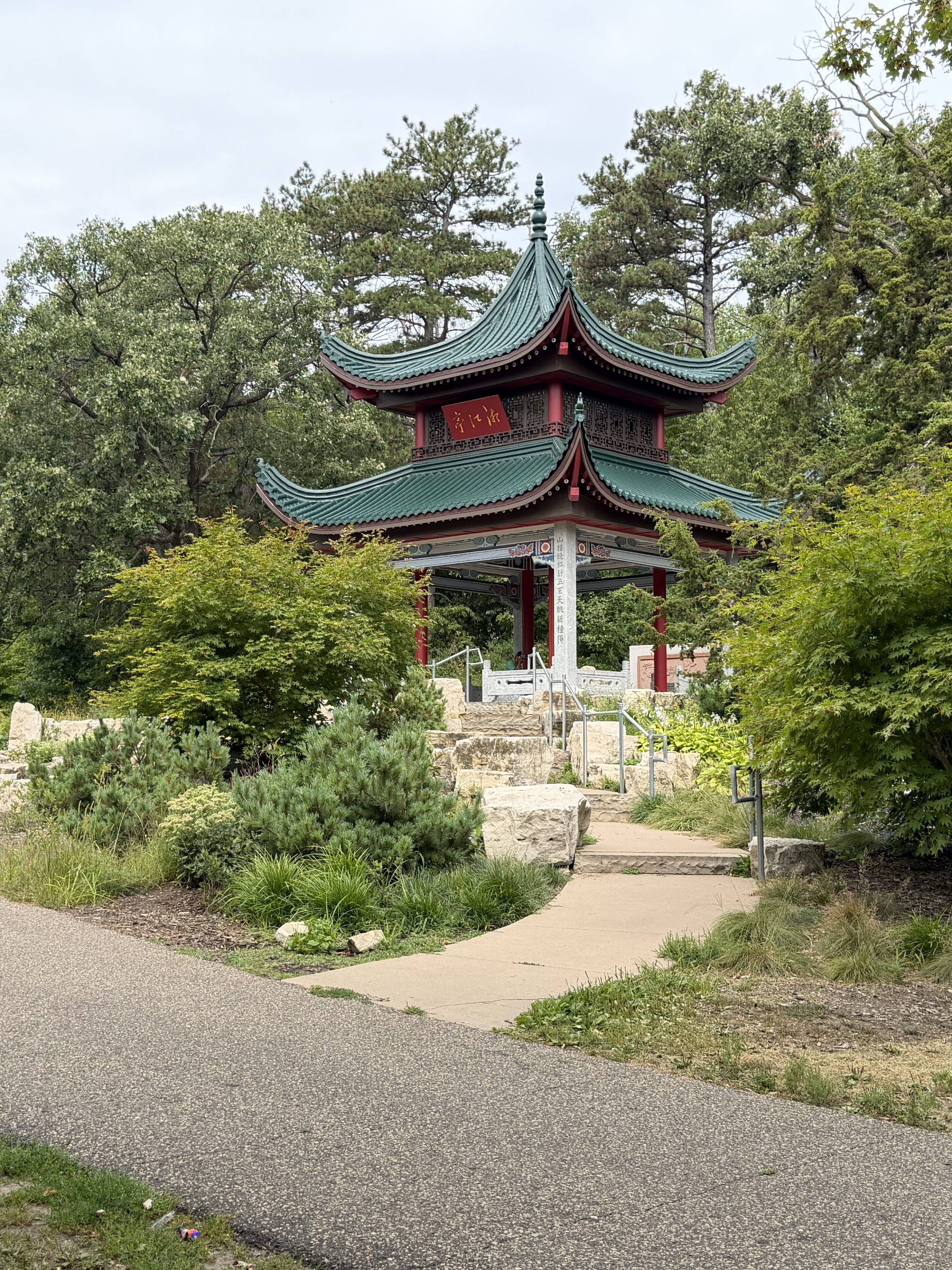
Two small channels wind around an island and under arching bridges, creating a picturesque route for kayaks and canoes. Further north there is a Chinese Friendship Garden and a waterfall before you reach the boat launch, which is located at the north end of the lake.
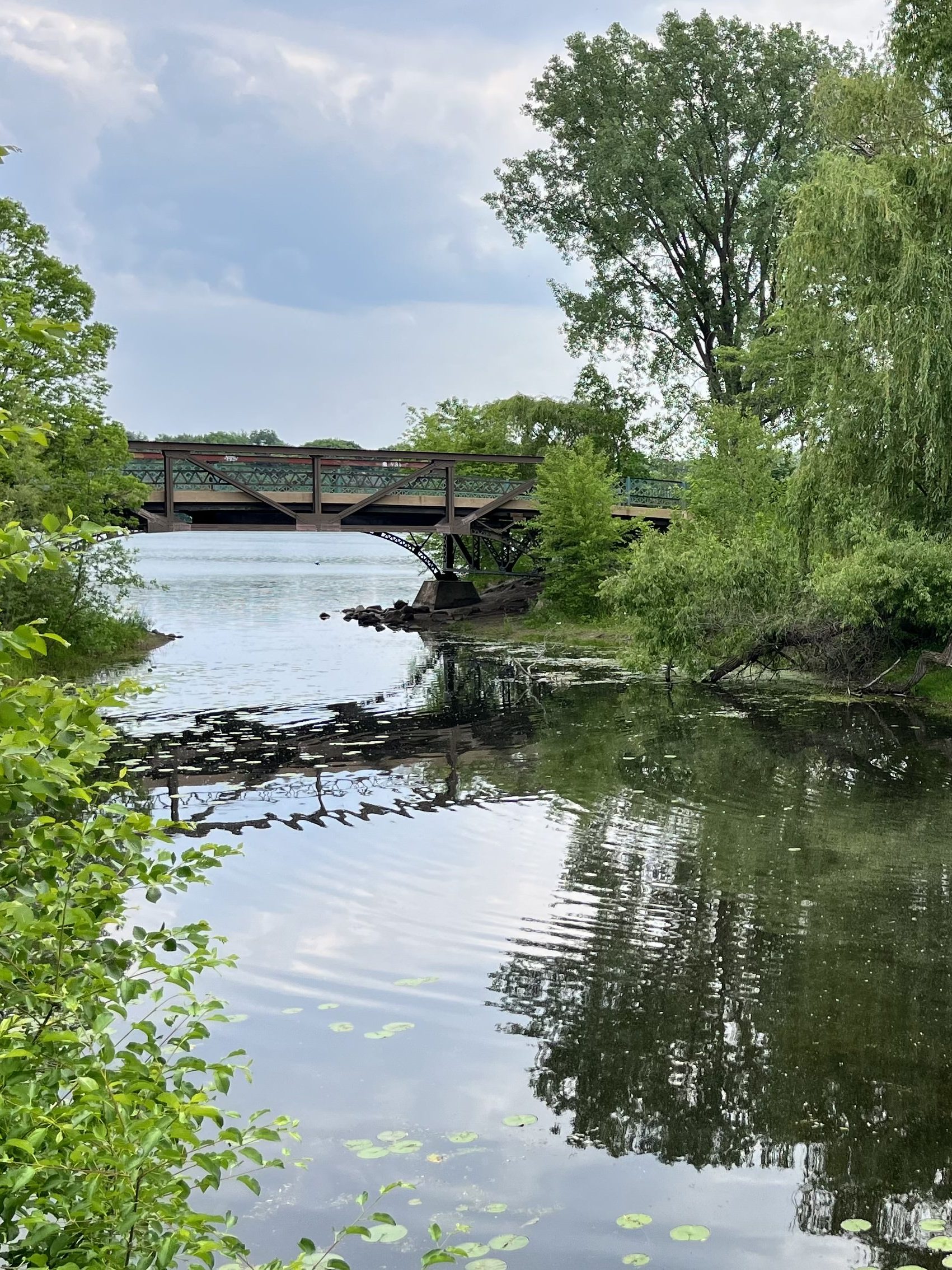
In 2024, Bill Bartodziej, a long-serving Natural Resources Specialist at RWMWD, and Sue Galatowitsch, a University of Minnesota professor in the Department of Fisheries, Wildlife and Conservation Biology, worked together to publish a detailed analysis of the past twenty years of restoration work at Lake Phalen. The research paper considers strategies, costs, and outcomes and serves as an excellent resource for communities doing similar work on other lakes. Bartodziej also worked with Haley Elvecrog to publish a Walking Tour and Plant Guide for Lake Phalen in 2005.
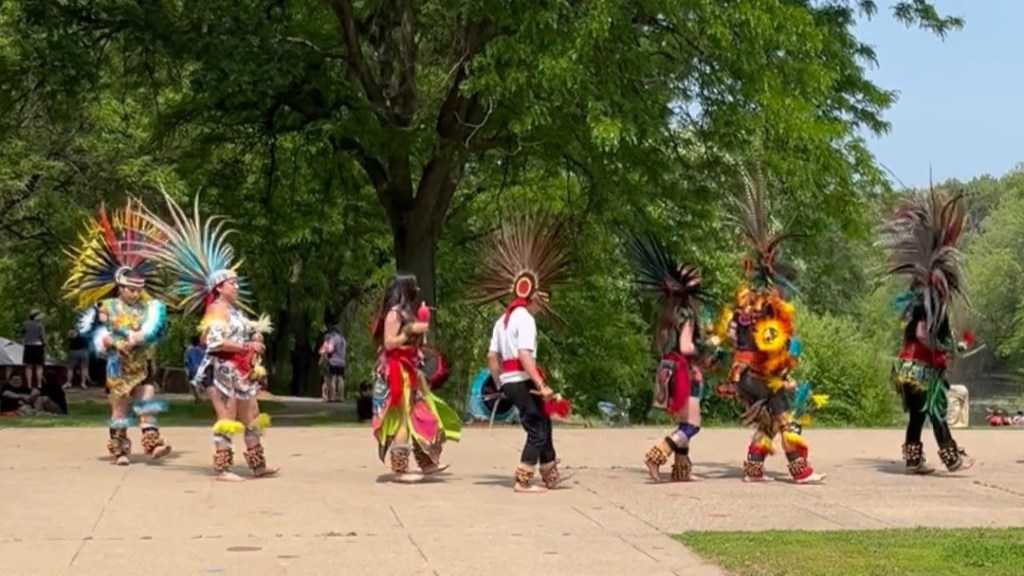
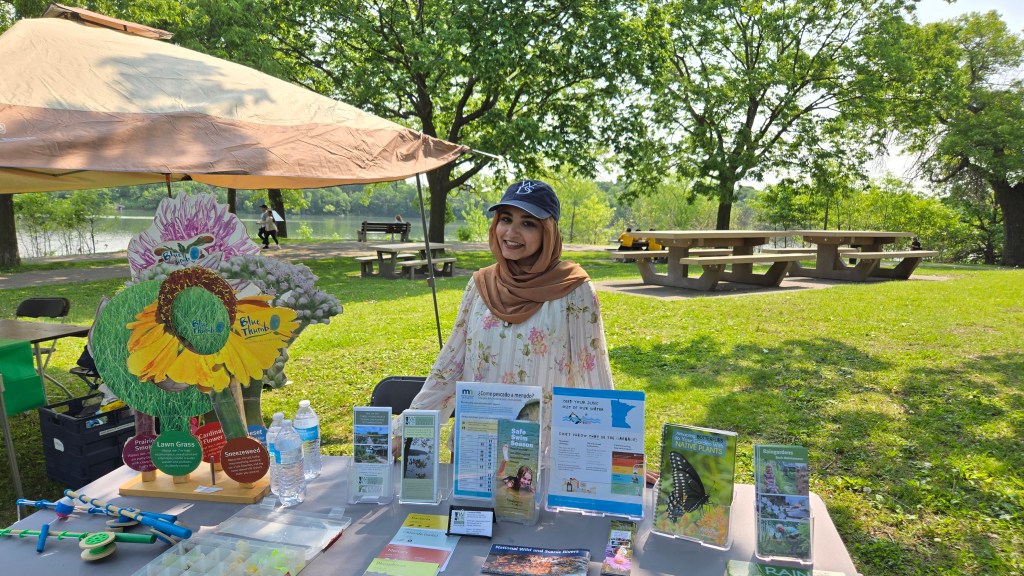
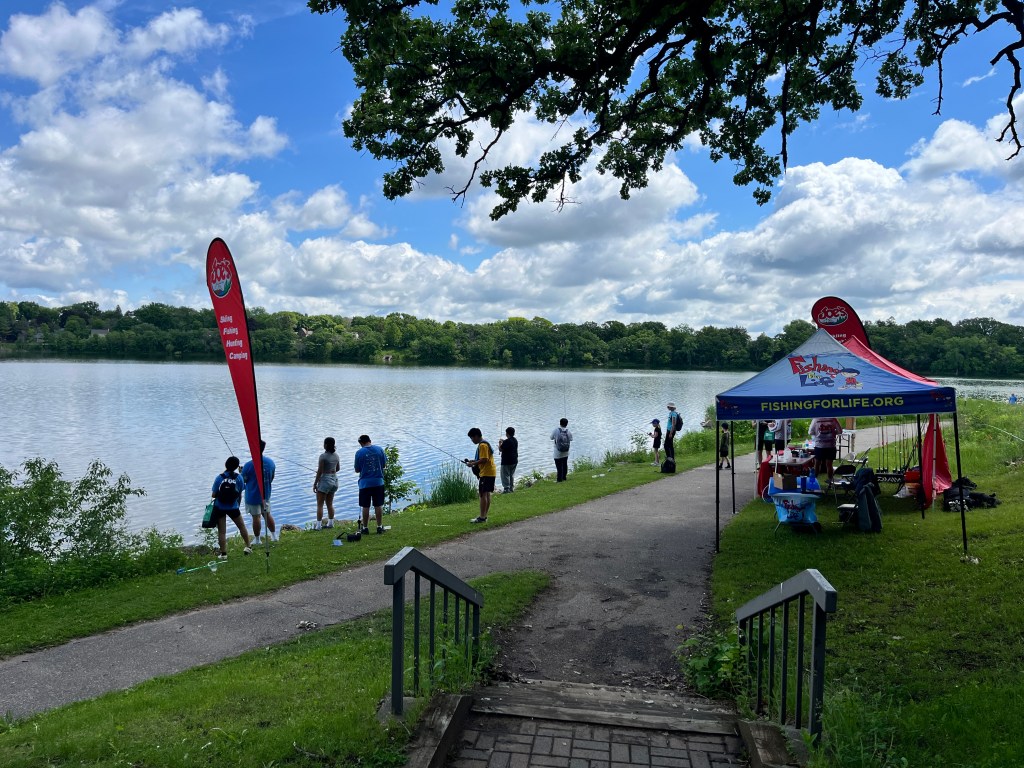
RWMWD has also hosted a WaterFest event at Lake Phalen every summer since 1999. The event brings in thousands of children and adults from St. Paul and eastside communities and includes music, food, cultural performances, outdoor recreational activities such as canoeing and rock climbing, and dozens of hands-on stations and activities led by partner organizations.
Though Lake Phalen’s story reaches far back into the past, it’s future will continue to unfold in the coming decades. On the south end of the lake, the Native-led nonprofit Waḳaƞ Ṭípi Awanyankapi has received grant funding and is currently developing a long-term plan to daylight Phalen Creek, partially restoring the connection between Lake Phalen and the Mississippi River. On the north end of the lake, RWMWD is currently working with Urban Roots, an east side nonprofit to restore native habitat near the boat launch. The shoreline along Round Lake was also planted last fall and is already filling in with blooms.
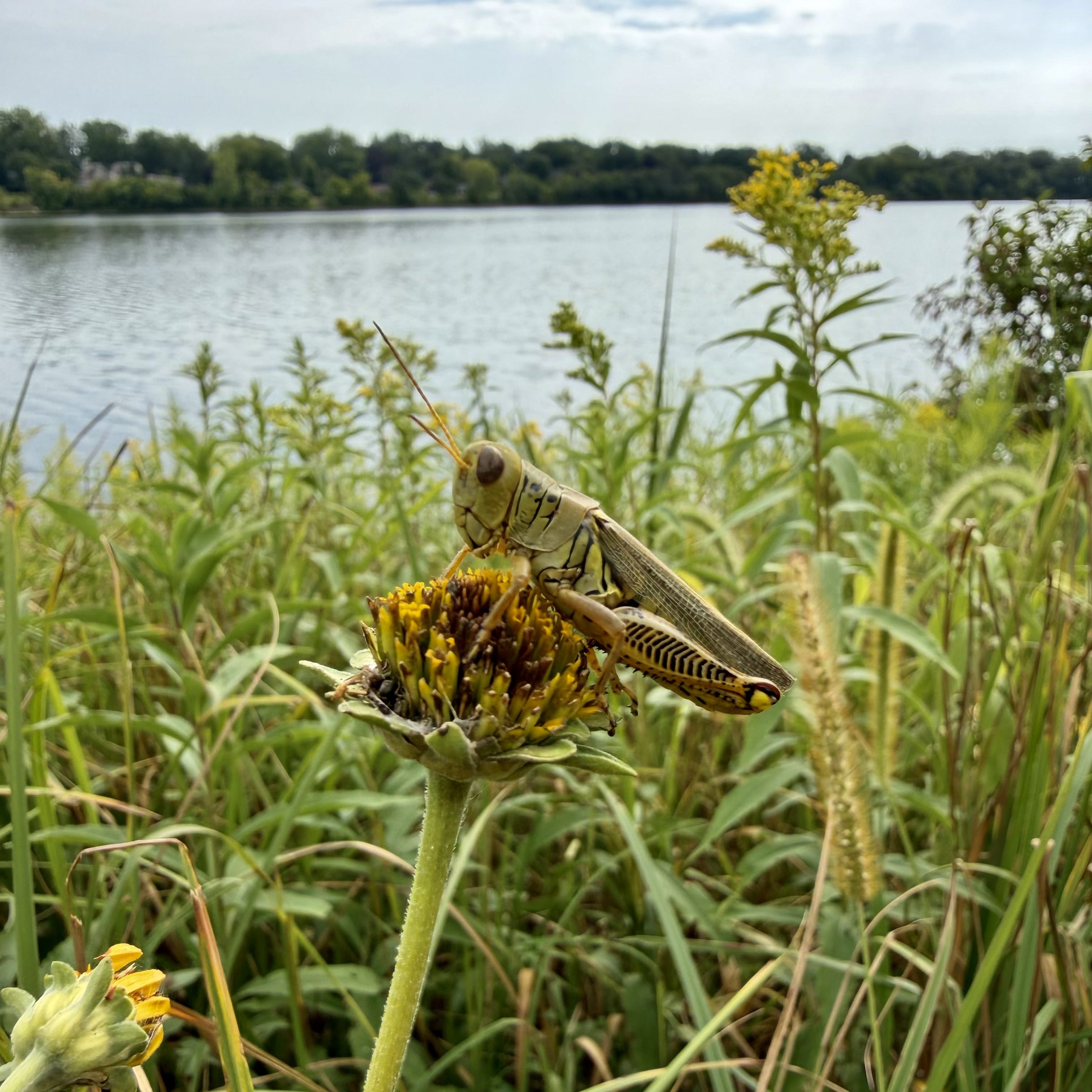
Lake Phalen is a beautiful location to spend the day, and for many conservation professionals, restoring this lake is an effort worth dedicating a lifetime.
This week, the East Metro Water Resource Education Program and Lower St. Croix Watershed Education Program announced the winners of the 2026 Natural Shoreline Award, which recognizes Minnesotans who are protecting lake, stream, and wetland habitat in Chisago, Isanti, Ramsey and Washington Counties.
Lake Phalen in St. Paul and Lost Lake in Mahtomedi will be recognized as award-winning shorelines in community parks. Additionally, Joe and Michele Hangge of Scandia, Jay and Dawn Jaehnke of Chisago City, and Scott and Jane Weiss of Center City will receive awards in the single-family, residential category.
Learn more about the Natural Shoreline Awards program at www.lsc1w1p.org/awards.


